During its digital transformation, the workshop faced six core challenges:
1. Diverse Equipment Types, Difficult Status Monitoring
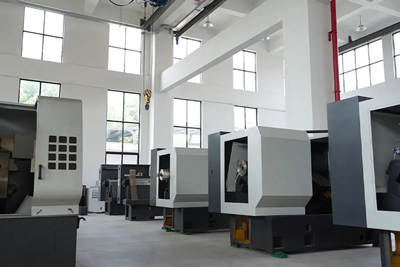
The workshop has a wide variety of equipment, including multiple standalone machines (5-axis horizontal machining centers, CNC milling machines, CNC lathes, etc.), flexible production lines (machining centers + loading/unloading stations + tool stations), AGV logistics carts, automated warehouses, inspection equipment, automated assembly units and production lines. Each type of equipment has different data interfaces and communication protocols, lacking a unified equipment status monitoring platform. Equipment operation status remained opaque, and fault response was not timely enough.
2. Rudimentary Tooling Management Affecting Processing Quality
In CNC machining, the management level of cutting tools and tool holders directly affects machining accuracy and yield. Previously, tooling was managed manually with paper records, tool life was estimated based on experience, and there was no standardized life warning mechanism. The binding relationship between tool holders and cutting tools relied on paper records, which were prone to data errors or loss. Excessive tool wear during processing was not detected in time, resulting in unnecessary scrap losses.
3. Inefficient Material Flow, Opaque Line-Side Inventory
Material flow (blanks, semi-finished products, finished products, tooling, pallets, skids, etc.) relied on manual scheduling. Production personnel needed to leave their stations to retrieve materials from the warehouse, affecting production continuity. AGV scheduling relied on manual calls with room for improvement in response efficiency. Line-side material inventory data was not transparent enough, and occasional material shortages caused production waiting.
4. Non-Visible Production Process, Difficult Quality Traceability
The complete processing journey from blank to finished product lacked systematic data collection methods. Production progress was communicated through manual reports, resulting in information lag. Processing parameters, inspection data, and operator information for each process were recorded separately, making it time-consuming to identify root causes when quality issues arose.
5. Disconnection Between Planning and Execution, Slow Response
Production plans issued by the APS scheduling system could not be transmitted to the workshop execution level in real time. Work order release, activation, suspension, and closure relied on manual coordination. The information gap between planning and execution led to delayed scheduling adjustments and extended production line changeover times.
6. Heterogeneous System Integration Challenges, Severe Data Silos
The workshop had multiple independent systems including APS (Advanced Planning and Scheduling), WMS (Warehouse Management), and AGV dispatching systems. Data could not be easily exchanged between these systems, creating information silos. Executing a single production task required coordination across multiple systems, with personnel repeatedly switching between systems for data entry — inefficient and error-prone.












 Back to List