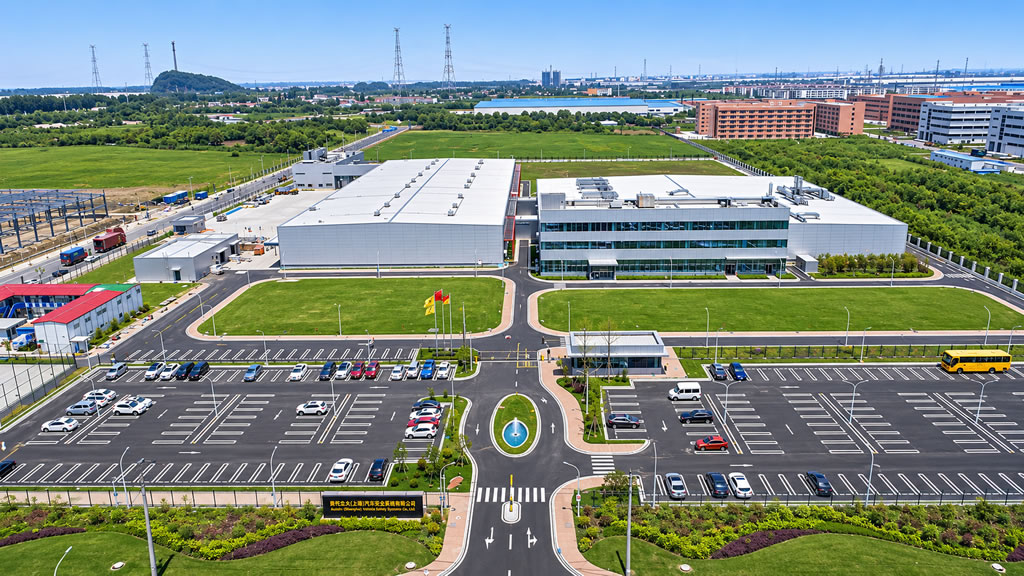








Toshiba Electronics (Shenzhen): Enabling Automated PCB Data Collection and Image Traceability Across SMT Production with RockPlus PVT
Smart Manufacturing in Practice
In Surface Mount Technology (SMT) manufacturing, a printed circuit board (PCB) passes through several critical processes, including solder paste printing, component placement, and reflow soldering. From a production management perspective, it is important not only to confirm that a PCB has completed each process but also to identify when it passed through specific workstations and what its surface condition was at that time.
When soldering defects, PCB damage, or other quality issues are discovered during downstream inspection, the absence of historical production records can make troubleshooting difficult. Engineers may need to review equipment logs, compare production timestamps, and investigate individual machines before identifying the stage where a problem may have occurred.
Toshiba Electronics (Shenzhen) required automated PCB data collection at three key positions along its SMT production lines: after solder paste printing, before reflow soldering, and after reflow soldering. The system needed to capture PCB barcodes, process timestamps, and board images at each location.
To address these requirements, Hegong Software developed a PCB data collection and image traceability solution aligned with the process traceability capabilities of RockPlus PVT. By integrating barcode readers, IP cameras, conveyor control devices, and production data management, the solution establishes a consistent method for collecting and retrieving PCB information across critical manufacturing stages.
Why Is It Difficult to Trace Quality Issues Across Multiple SMT Workstations?
In traditional SMT production environments, individual machines perform their manufacturing operations independently, while production data from different workstations may remain disconnected.
Although equipment can record production quantities and operating conditions, this information does not necessarily provide a complete picture of what happened to a particular PCB at a specific point in time.
For example, when an abnormality is discovered after reflow soldering, quality engineers may need to determine whether the issue was already present after solder paste printing or occurred during component placement or soldering.
Without corresponding images from earlier processes, engineers often have to rely on inspection records, equipment logs, or additional checks of products from the same production batch. This increases the time required for investigation and makes it more difficult to narrow down the possible causes.
The project addresses this challenge by using the PCB barcode as the common identifier linking production records from different workstations.
Data collection devices are installed at three key locations: after printing, before the reflow oven, and after the reflow oven. Whenever a PCB reaches one of these positions, the system automatically captures its identification information, surface image, production line, workstation, and timestamp.
This approach reflects the production data integration principles of RockPlus PVT, allowing records generated at different points along the production line to be retrieved using the same PCB barcode.
RockPlus PVT Combines Automatic Barcode Scanning and Camera Capture
To minimize manual scanning and photography, the project uses an automated data collection process triggered by sensors installed along the PCB conveyor system.
RS232 barcode readers, IP network cameras, and I/O control modules are integrated with the on-site data collection application.
As a PCB travels along the conveyor and approaches a collection station, the barcode reader identifies the barcode printed on the board. Once the PCB reaches the designated position, a sensor sends an arrival signal to the I/O control module, triggering the data collection sequence.
After a configurable delay, the system communicates with the network camera to capture an image of the PCB surface. The image is saved to a designated storage directory, while the PCB barcode, production line, workstation name, and process timestamp are recorded in the database.
Once image capture and data recording have been completed, the application operates the conveyor through the I/O control module, briefly releasing the PCB so that it can move to the next section of the production line. The conveyor then returns to its waiting state for the next board.
The entire process is triggered automatically by equipment signals, eliminating the need for operators to manually scan, photograph, and register each PCB at every collection point.
This integration allows the RockPlus PVT-related traceability solution to fit into the normal operating rhythm of the SMT line, connecting product identification and image capture with the existing PCB transportation process.
By reducing manual intervention, the solution helps maintain more consistent collection procedures and provides a reliable source of production records for subsequent investigation.
Connecting PCB Images from Printing to Reflow Soldering
Simply storing photographs at different production stations does not necessarily provide effective manufacturing traceability.
In a continuously operating SMT environment, large numbers of PCB images may be generated every day. Without a consistent identification and retrieval mechanism, engineers may still need to search through numerous folders to locate the relevant images.
The project establishes a unified image storage and retrieval structure for the three collection points: after printing, before reflow soldering, and after reflow soldering.
Images are organized according to workstation names and PCB barcodes, allowing photographs captured at different manufacturing stages to be associated with the corresponding board.
When quality personnel need to investigate a particular PCB, they can search the historical database using its barcode or filter records by production date, production line, and workstation.
Based on the selected record, the application automatically retrieves the available images from the three collection points and displays them in separate viewing areas.
This allows engineers to review the PCB's surface condition at different stages without accessing individual collection computers or searching manually through image directories.
For example, if an abnormality is discovered during post-reflow inspection, engineers can retrieve the PCB's images captured before reflow and after printing. By comparing the available images, they can investigate whether the abnormality was visible before the board entered the reflow oven.
These visual records provide additional evidence for equipment troubleshooting, process analysis, and quality investigations.
This represents an important application of RockPlus PVT in process traceability: rather than recording only when a product passed through a workstation, the system also preserves visual information about the PCB at that stage.
Historical production records can therefore provide more direct support for quality analysis and troubleshooting.
Separating Data Collection from Historical Queries
Equipment control and production data analysis serve different operational purposes.
While the collection application must communicate directly with barcode readers, cameras, and conveyor control hardware, production and quality personnel primarily need a convenient way to search and review historical records.
To accommodate these requirements, the project separates the system into three components: a data collection service, a historical query application, and an independent configuration utility.
The data collection service operates in the background on Windows-based industrial computers. It connects to the barcode reader, I/O control module, and network camera, automatically processing PCB arrival signals and recording the corresponding production information.
The historical query application is dedicated to searching process records, displaying PCB images, and exporting production data. It does not directly control shop-floor equipment.
This separation allows production data collection and historical record retrieval to operate independently. Quality engineers can review PCB records from designated terminals or office computers without interacting with the data collection application running on the production line.
The query application also supports exporting search results to CSV files, including information such as production line, workstation, PCB barcode, and process timestamp. These records can be opened in Excel or other spreadsheet applications for further analysis.
An independent configuration tool allows engineering personnel to maintain database connections, image storage locations, barcode reader serial ports, camera settings, production line names, and workstation information.
For maintenance and troubleshooting, the collection application also provides operational logs, equipment reconnection functions, and manual conveyor release controls.
These functions help maintenance personnel investigate equipment connectivity issues and manage the data collection environment without changing the core production workflow.
Preserving PCB Images to Support Manufacturing Traceability
For SMT manufacturers, the value of process data extends beyond confirming that a PCB has passed through a particular workstation. The information becomes especially useful when a quality issue needs to be investigated after production.
By linking PCB identification, workstation timestamps, and board images, the project establishes a practical foundation for cross-process traceability.
When investigating the manufacturing history of a specific PCB, quality personnel can retrieve its records from the three collection points and compare images captured at different production stages.
For investigations involving a broader production batch, records can also be filtered and exported according to production lines and time ranges, supporting additional analysis of manufacturing activities.
The RockPlus PVT-related solution demonstrates how automated data acquisition and image-based records can support SMT process traceability without fundamentally changing the operation of existing placement and soldering equipment.
Information that would otherwise remain distributed across shop-floor devices, local image directories, and separate records becomes accessible through a consistent search process.
Each barcode scan, timestamp, and captured image provides an additional reference for understanding the PCB's manufacturing history, helping production and quality teams investigate abnormalities using recorded evidence rather than relying solely on manual checks or equipment operating logs.
More Case Studies